
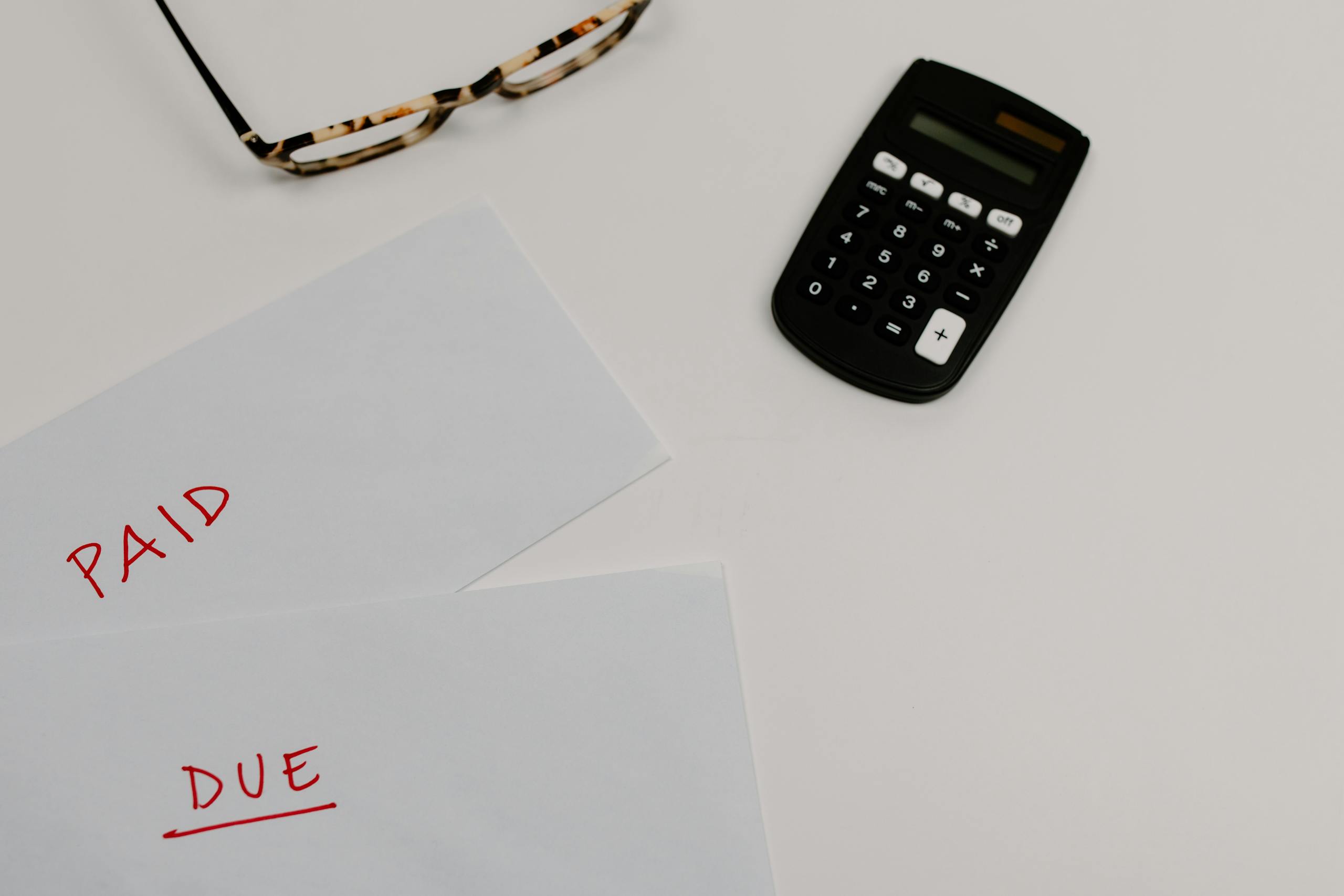
What to Do When You Can’t Afford Your Bills
Not being able to afford your bills is one of the most stressful financial situations a person can face. When the due dates pile up and your income isn’t enough to cover everything, it can feel overwhelming very quickly.
If you’re in this situation, you’re not alone — and you’re not failing. Rising living costs, unexpected emergencies, debt, and limited income have made it difficult for many people to stay ahead financially.
The good news is that there are practical steps you can take to stabilize your situation and start moving forward. This guide will walk you through what to do when you can’t afford your bills, how to prioritize your expenses, and how to reduce financial stress while you recover.
Affiliate Disclosure
This post may contain affiliate links. If you click a link and sign up, I may earn a commission at no extra cost to you.
Step 1: Stop Panicking and Get Clear on Your Situation
When you’re overwhelmed financially, it’s easy to avoid looking at your numbers altogether. But the first step is getting a clear picture of what’s happening.
Take a few minutes to write down:
- Your monthly income
- Your current bank balance
- All bills and due dates
- Minimum debt payments
- Essential expenses
This may feel uncomfortable, but clarity helps reduce anxiety and allows you to make decisions from a place of control instead of panic.
You do not need a perfect financial plan right now. You just need to understand where you stand.
Step 2: Prioritize Essential Bills First
One of the biggest mistakes people make when money is tight is trying to pay everything equally.
Not all bills carry the same level of urgency.
Highest Priority Expenses
Focus on:
- Housing (rent or mortgage)
- Utilities
- Food
- Transportation
- Basic insurance
- Necessary medications
These are the bills that protect your immediate stability and safety.
Lower Priority Expenses
These may need to wait temporarily:
- Credit cards
- Subscriptions
- Streaming services
- Non-essential purchases
This doesn’t mean you should ignore debt forever. It simply means survival comes first.
Step 3: Contact Companies Before You Miss Payments
Many people avoid calling creditors or utility companies because they feel embarrassed or afraid. But contacting providers early is often one of the best things you can do.
Ask about:
- Payment plans
- Due date extensions
- Hardship programs
- Temporary reduced payments
Many companies are more willing to help if you communicate before your account falls too far behind.
Even small adjustments can create breathing room.
Step 4: Switch to Paycheck Budgeting
Traditional monthly budgets often fail when money is tight or income fluctuates.
Instead of planning for an entire month at once, try budgeting based on each paycheck.
With paycheck budgeting:
- You focus only on immediate bills
- You prioritize essentials first
- You reduce the risk of overdrafts
This approach can make your finances feel more manageable and less overwhelming.
👉 Read: Making a budget that works on a low income
Step 5: Cut Expenses Strategically — Not Emotionally
When people are stressed about money, they often swing between extremes:
- Cutting everything aggressively
- Giving up completely
Neither approach works well long term.
Instead, look for expenses that:
- Don’t improve your quality of life
- Can be reduced temporarily
- Are easy to pause without major consequences
Examples might include:
- Unused subscriptions
- Convenience spending
- Frequent takeout
- Impulse purchases
The goal is to create financial breathing room — not make life miserable.
Step 6: Avoid Taking on More High-Interest Debt
When bills pile up, it can feel tempting to rely on credit cards or payday loans to survive.
Unfortunately, high-interest debt often creates bigger problems later.
If possible:
- Avoid payday loans
- Limit new credit card balances
- Focus on stabilizing expenses first
If you do need to use credit temporarily, try to keep it limited to essential expenses only.
Step 7: Understand How Your Credit May Be Affected
Missing payments can affect your credit score, but it’s important not to panic.
Financial hardship happens, and one difficult period does not define your future.
Monitoring your credit can help you understand:
- What’s impacting your score
- Which accounts are reporting
- How your situation is changing over time
Tools like Credit Karma allow you to monitor your credit for free and better understand your financial picture.
Understanding your credit gives you more control over future financial decisions.
Step 8: Build a Small Financial Buffer
Once your immediate situation stabilizes, your next goal should be creating a small emergency fund.
Even a small cushion can:
- Prevent overdrafts
- Reduce stress
- Help avoid future debt
Start with small goals:
- $100
- Then $250
- Then $500
Small savings matter more than most people realize.
👉 Read: How to Save $500 Fast When You’re Living Paycheck to Paycheck
Step 9: Stop Comparing Yourself to Other People
Financial struggles can feel isolating, especially when social media makes it seem like everyone else is financially stable.
But many people are quietly dealing with:
- Debt
- Financial stress
- Limited savings
- Paycheck-to-paycheck living
Your situation is not a reflection of your worth.
The goal isn’t to become financially perfect overnight. The goal is to make consistent progress over time.
Step 10: Focus on Stability Before Growth
When you can’t afford your bills, your first goal is not investing, side hustles, or aggressive debt payoff.
Your first goal is stability.
Stability means:
- Covering essentials
- Reducing stress
- Preventing emergencies from getting worse
- Building small financial buffers
Once stability improves, growth becomes much easier.
Common Mistakes to Avoid When You Can’t Afford Your Bills
Ignoring Bills Completely
Avoidance often makes problems worse.
Taking on Too Much New Debt
Temporary relief can create long-term pressure.
Trying to Fix Everything at Once
Focus on one problem at a time.
Cutting Necessary Expenses
Transportation, food, and healthcare matter.
Frequently Asked Questions
What happens if I can’t pay my bills?
Start by prioritizing essentials and contacting providers immediately. Many companies offer hardship options or payment arrangements.
Should I use credit cards to cover bills?
Only if absolutely necessary. High-interest debt can create additional financial strain later.
How do I recover financially after falling behind?
Recovery starts with stabilization, budgeting, and small consistent improvements over time.
Final Thoughts
Not being able to afford your bills is incredibly stressful, but it does not mean you’ve failed. Financial setbacks happen to many people, especially during periods of rising costs and economic uncertainty.
Focus on:
- Stability first
- Essentials first
- Small progress over perfection
You do not need to solve everything immediately. You just need to take the next step forward.
👉 Next Steps
Read: